Root Canals: What They Are, Why They Matter, and What Happens If You Wait
The complete, honest guide from what's actually happening inside your tooth to every restoration option available to you.
Few words in dentistry trigger more anxiety than "root canal." But here's something most people don't know: the procedure itself is not the painful event the infection is. A root canal is the treatment that ends that pain and, more importantly, saves a tooth that might otherwise be lost.
This guide covers everything clearly: what a root canal actually is, why it matters for your long-term health, all of the restoration options available once the root canal is complete, and what's genuinely at stake when treatment is delayed.
What Is a Root Canal? (The Real Explanation)
Your tooth has layers. The hard outer enamel and the dentin underneath protect the innermost part of the tooth: the pulp. The pulp is a small chamber of soft tissue, nerves, blood vessels, and connective tissue that runs from the crown of the tooth all the way down through the root canals into the jawbone.
In a healthy tooth, the pulp is completely fine where it is. The problem begins when bacteria reach it through a deep cavity, a crack, repeated dental work, or trauma. Once the pulp becomes infected or irreversibly inflamed, it cannot heal on its own. Left alone, the infection grows.
A root canal treatment (technically called endodontic therapy) is the process of:
List of Services
-
Accessing the pulp chamberList Item 1
A small opening is made through the crown of the tooth under local anesthesia. You should feel pressure not pain.
-
Removing the infected tissueList Item 2
Specialized instruments remove the pulp from the chamber and all root canals, which are then cleaned, shaped, and disinfected.
-
Sealing the canalsList Item 3
The cleaned canals are filled with a biocompatible material called gutta percha, which seals them to prevent re-infection.
-
Restoring the toothList Item 4
A crown, onlay, inlay, or composite is placed to protect and restore the tooth's function. This step is covered in detail below.
Once the pulp is removed, the tooth no longer has living tissue inside, but it can still function fully for decades. The surrounding bone and ligament continue to support it just as before.
"A root canal doesn't remove your tooth — it removes the infection from inside it. The natural tooth stays exactly where it belongs."
Signs You May Need a Root Canal
Root canal problems don't always announce themselves dramatically. Some people have no symptoms at all until an X-ray reveals the issue. Others experience one or more of the following:
Severe, lingering toothache when chewing or with pressure
Prolonged sensitivity to hot or cold after the source is removed
Darkening or discoloration of the tooth
Swelling, tenderness, or a pimple-like bump on the gum
Cracked or chipped tooth with pain or sensitivity
A previous injury to the tooth, even years ago
Only a dentist can confirm whether a root canal is needed a clinical exam and X-rays (or a CBCT scan) reveal what's happening below the surface. If any of these symptoms sound familiar, the right move is getting an evaluation sooner rather than later.
Restoring the Tooth After a Root Canal
Completing the root canal is step one. Step two protecting and restoring the tooth is equally important. A tooth that has had a root canal is more brittle than before, because it no longer has a living pulp providing moisture. Without the right restoration, it's vulnerable to fracture.
The good news: every situation is different, and there are real options. The goal is always to use the most conservative approach that still gives the tooth the protection it needs. The right choice depends on how much healthy tooth structure remains after treatment.
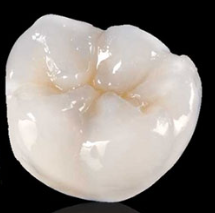
Dental Crown
Full Coverage
A full cap that covers the entire visible tooth. Used when significant tooth structure has been lost — the strongest, most comprehensive protection available.
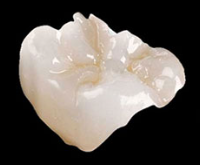
Onlay
Partial Coverage
Covers one or more cusps of the tooth but not the full crown. A strong, durable middle ground when the remaining walls are healthy enough to support it.
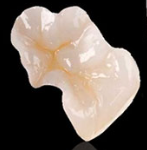
Inlay
Tooth Preserving
A precisely crafted restoration fitted within the cusps of the tooth — ideal when the outer walls are largely intact. Preserves more of your natural tooth.
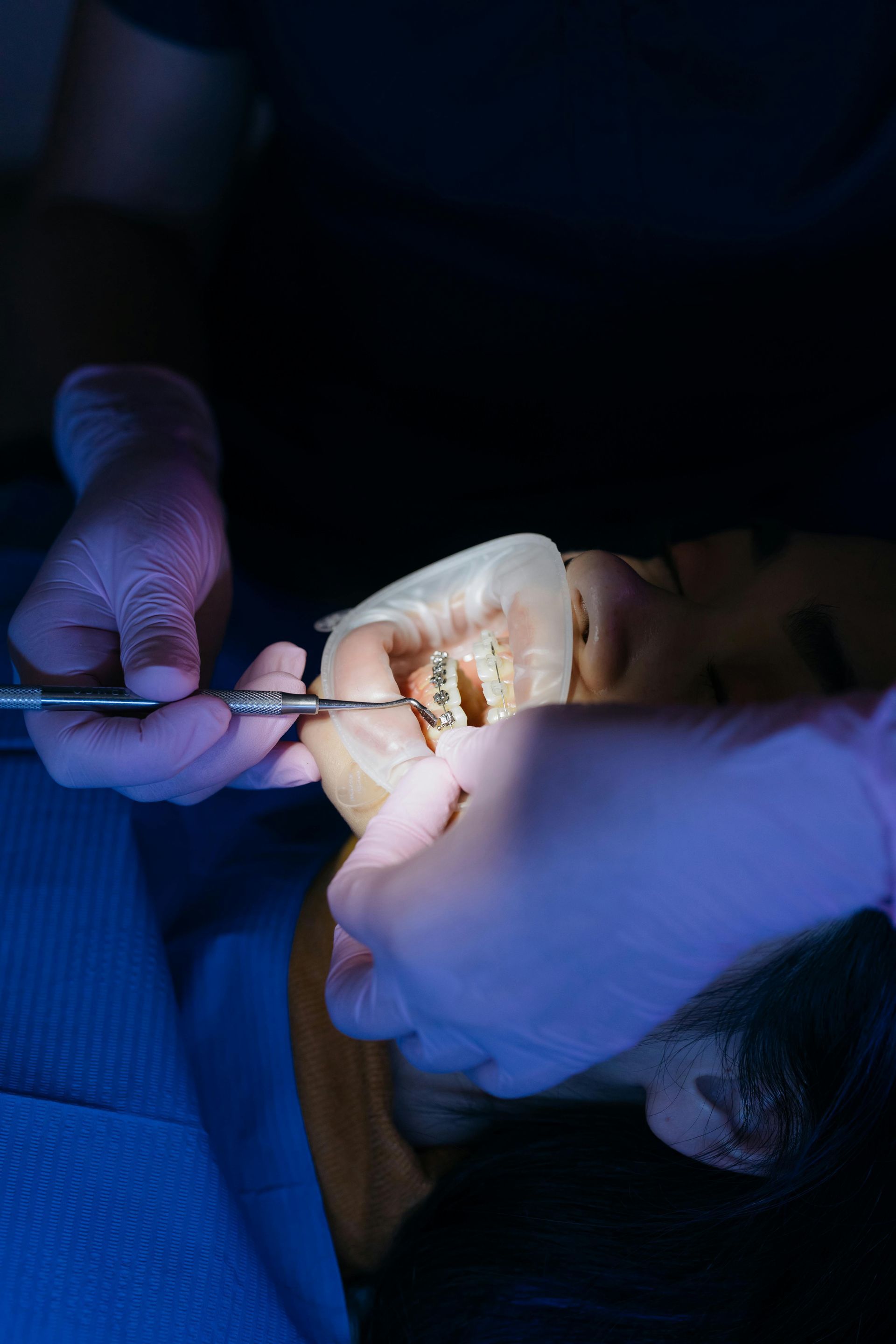
Composite Restoration
Minimal Removal
A tooth-colored resin filling placed directly in the tooth. Appropriate for smaller cases with plenty of remaining structure. Fast, aesthetic, and minimally invasive.
How is the right restoration chosen?
The decision is made by evaluating how much tooth structure remains after removing the decay and completing the root canal. Teeth where most of the original structure is intact can often be restored with an inlay or composite no need for a full crown. Teeth that have lost more structure, particularly the cusps that bear the force of chewing, need an onlay or crown to prevent fracture.
Materials matter too. Modern ceramic restorations (used for inlays, onlays, and crowns) are both durable and virtually invisible they match the natural color and translucency of your enamel. We use digital impressions, so there's no goopy mold tray, and restorations fit with precision.
What Happens If You Put It Off
Dental infections are not like infections elsewhere in the body. They do not resolve on their own. A tooth with a dying or infected pulp follows a predictable path and none of the stages that follow are better than treating it now.
Stage 1: Persistent pain, early infection
The pulp is inflamed or dying. Treatment at this stage is straightforward: one or two appointments, and you keep your tooth. Pain may come and go, which sometimes creates a false sense of improvement. It's not getting better.
Stage 2: Abscess formation
Bacteria reach the bone at the tip of the root and a pocket of infection forms (periapical abscess). Swelling, severe pain, and sensitivity to touch become common. Treatment is still possible, but often more involved.
Stage 3: Bone loss and structural damage
The infection erodes the jawbone around the root. Neighboring teeth can be affected. Treatment becomes significantly more complex, and the long-term prognosis of the tooth declines.
Stage 4: Tooth loss and systemic risk
In advanced cases, the tooth cannot be saved and must be extracted. Beyond tooth loss, untreated oral infections can spread to surrounding tissues — in rare but serious cases reaching the jaw, neck, or bloodstream. This is a medical emergency.
⚠ Important
Antibiotics can reduce swelling and temporarily manage an abscess, but they do not eliminate the source of the infection inside the tooth. The infection will return. Antibiotics are not a substitute for treatment — they're sometimes used to bring acute infection under control before the procedure.
Modern Dentistry Makes This Easier Than You Think
Root canals have an outsized reputation for discomfort that the modern experience simply does not reflect. With refined anesthesia techniques, rotary instruments, and digital imaging, what once took multiple appointments can often be completed in one or two comfortable visits.
Many patients tell us they were genuinely surprised — that they were expecting something far worse, and that what they actually experienced was manageable. Most leave feeling relief from the pain they came in with.
The most important thing is not waiting until the situation is more difficult. Catching an infected tooth early means a smoother procedure, more restoration options, and a tooth that can last the rest of your life.
Ready to transform your smile on your schedule?
Book an after-hours appointment today. Emergency slots and cosmetic consultations available evenings & weekends.
© 2026 Dali Dental Studio · All Rights Reserved Miramar, FL · 954-367-9625


